Read Time: 4.5 minutes
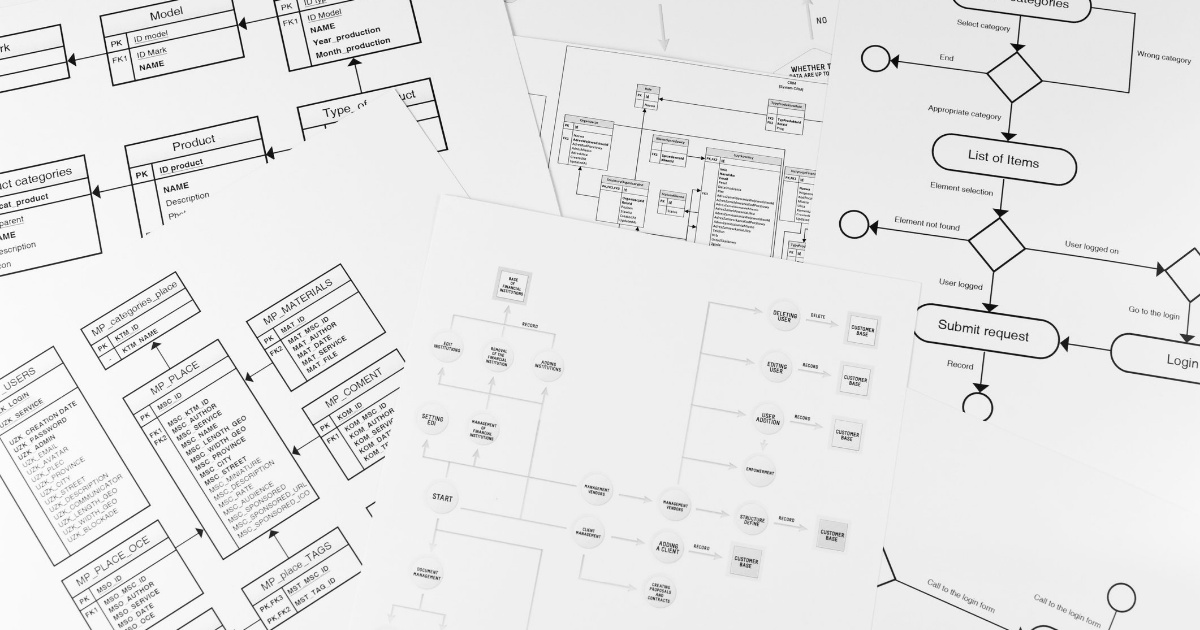
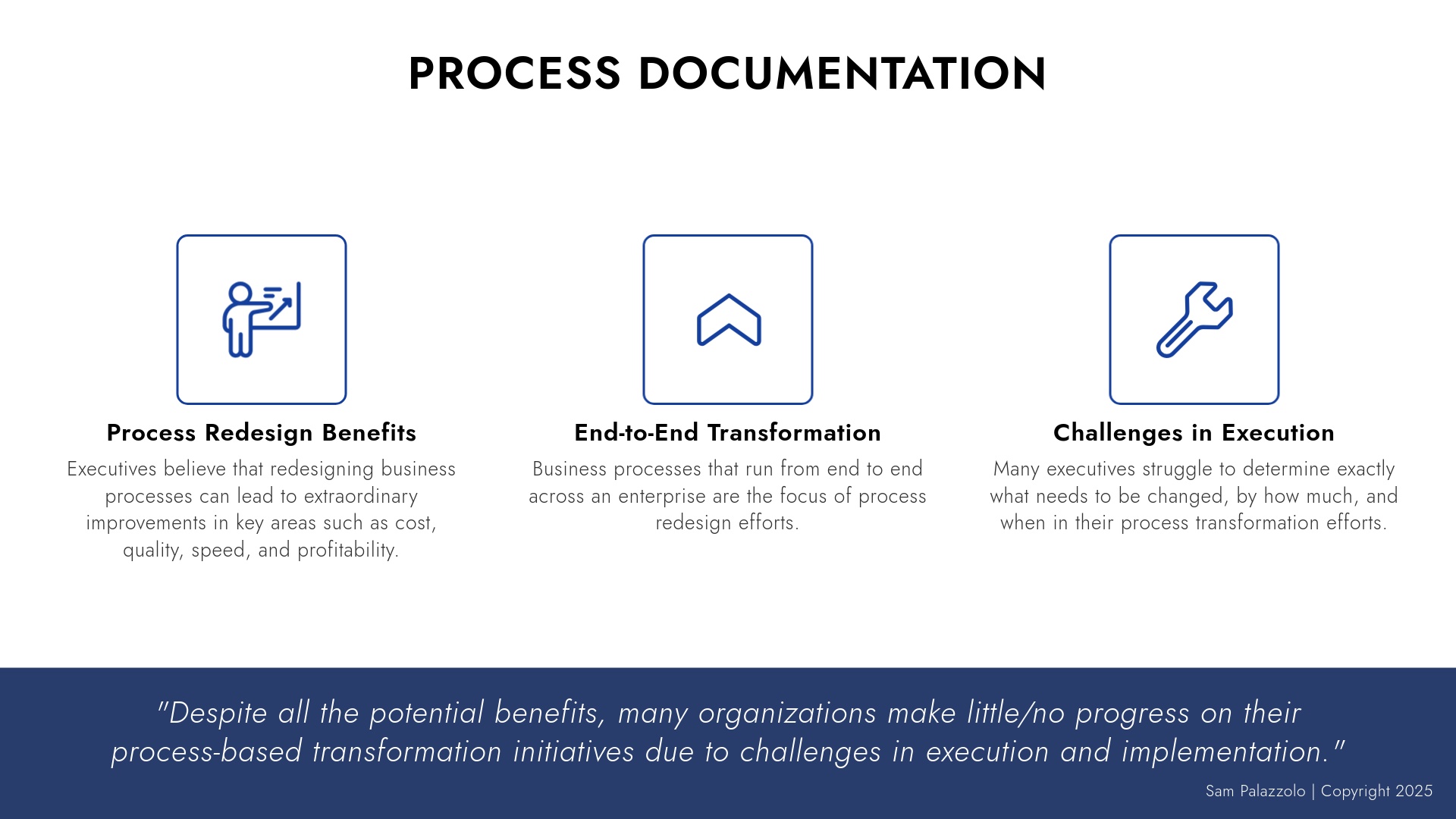
Process Documentation Is the Key to Mission Success
This week I caught former Navy SEAL and now Senator, Tim Sheehy | R-Montana, sharing an invaluable framework for mission success:
- Crystallize the Mission—Clarify the strategy so every team member understands the objective.
- Prioritize what Matters—Focus on the tasks that will have the biggest impact.
- Execute with Precision—Each individual must own their role for the group to succeed.
Few of us will ever experience being a Navy SEAL, but this isn’t just a military methodology; it’s a roadmap for scaling your business. Imagine your business as a high-stakes mission. Without clearly documented processes, how do you ensure every team member knows their role? How do you maintain focus and accountability as your organization grows?
Process documentation is the operational blueprint (and secret!) that crystallizes your goals, ensures clear priorities, and holds each team member accountable. When done right, it becomes the backbone of sustainable, scalable growth... Let's get into it!
Why Process Documentation Is Key to Scaling
Scaling isn’t just about hiring more people or adding resources—it’s about replicating success across teams and departments. Documenting processes ensures consistency, maintains quality, and reduces inefficiencies, allowing your organization to scale without chaos.
But process documentation isn’t just about structure—it’s about strategy. With clearly defined processes, you:
- Standardize workflows to maintain quality.
- Onboard new employees faster.
- Increase accountability by aligning roles with responsibilities.
This week, we’ll explore Michael Hammer’s Process and Enterprise Maturity Model (PEMM)—a proven framework for assessing and improving processes to enable growth.
Actionable Steps: Building Stronger Processes with PEMM
Michael Hammer’s PEMM framework outlines two key dimensions for process excellence: Process Enablers and Enterprise Capabilities. PEMM evaluates both process-specific factors (Process Enablers) and organizational readiness (Enterprise Capabilities) to create scalable systems. Here’s how to implement it:
1. Crystallize the Mission: Process Enablers
PEMM identifies five enablers to ensure processes work effectively:
- Design: Every process must be clear and repeatable. Document step-by-step workflows to eliminate ambiguity.
- Performers: Equip team members with the skills and resources they need to succeed.
- Owner: Assign a senior leader as the process owner, responsible for performance and improvement.
- Infrastructure: Provide the tools and systems to support the process.
- Metrics: Measure the process regularly using key performance indicators like efficiency, accuracy, and speed.
Actionable Tip: Start by documenting one critical process—such as onboarding new hires or managing client deliverables—and evaluate its enablers.
2. Prioritize What Matters: Enterprise Capabilities
Enterprise-wide capabilities ensure your organization is prepared to scale processes effectively:
- Leadership: Leaders must champion the importance of process excellence.
- Culture: Foster a culture that values accountability and consistency.
- Expertise: Build teams with the knowledge and training to refine processes.
- Governance: Establish clear decision-making structures to ensure processes remain aligned with organizational goals.
Actionable Tip: Conduct a "process maturity assessment" to evaluate your organization’s strengths and gaps in these areas.
3. Execute the Mission: Ensure Accountability and Follow-Through
The best processes fail without execution. Once your processes are documented, ensure:
- Accountability is clear, with owners assigned to each step.
- Regular check-ins to monitor progress and refine where necessary.
- A feedback loop that empowers teams to identify inefficiencies and suggest improvements.
Actionable Tip: Assign process "owners" for major workflows to create accountability and clarity at every stage.
Real World Example: Tip of the Spear Client #1
“13 Years of Process Excellence”
One of the first clients at Tip of the Spear—let’s call them Client #1—was facing significant inefficiencies as they scaled their business. They struggled with inconsistent workflows across departments, which led to quality control issues, missed deadlines, and rising costs.
We implemented a process documentation project based on the PEMM framework, which resulted in dramatic improvements:
- Cost Reduction: By eliminating redundancies and streamlining workflows, they saved over 15% on operational expenses in the first quarter.
- Improved Quality: Standardized processes reduced errors by 32%, leading to higher customer satisfaction scores.
- Increased Speed: Clear documentation and accountability shaved an average of 44% off project turnaround times.
- Boosted Profitability: With improved efficiency and customer satisfaction, their profit margins grew by 26%.
Thirteen years later, Client #1 is still with Tip of the Spear and we continue to refine their processes, using PEMM as a guiding framework for scaling new initiatives.
Real Strategies. Real Results.
Scaling your business is like executing a high-stakes mission. Without clear processes, even the most talented team can miss the mark. Process documentation ensures your team understands the mission, prioritizes what matters, and executes with precision.
The PEMM framework gives you a proven roadmap to assess and improve your processes, ensuring they’re not just functional but scalable. Start with one process, apply PEMM, and watch as clarity, accountability, and efficiency transform your organization.
Ready to refine your process documentation? Connect with me for a complementary Scaling Intelligence Briefing.
That's it for this week... See you next week!
Sam Palazzolo


Responses